







Car Wrap vs. Paint: Which Gives You Better Value in 2026?
Key Takeaways
- A car wrap and car paint can both refresh a vehicle, but they build value in different ways.
- Wraps tend to deliver faster visual change and more design flexibility; paint is better suited to correcting real body or surface damage.
- Ottawa’s road salt, gravel, freeze-thaw cycles, and intense summer sun affect both finishes and should shape your decision.
- A wrap can preserve healthy factory paint underneath, while a repaint restores a tired or damaged exterior.
- The full comparison includes prep work, repairs, ongoing maintenance, eventual removal, and resale value — not just the upfront quote.
Car Wrap vs. Paint: What You’re Actually Paying For
The first number on a quote is only part of the car wrap vs. paint decision. A wrap price usually covers film, surface prep, and installation labour. A car paint Ottawa quote may cover sanding, primer, colour coats, and clear coat — a much longer process with more room for hidden costs. Neither option is automatically the better deal for every vehicle; the condition of your existing finish often matters just as much as which material you choose.
What a Car Wrap Typically Costs in Ottawa
Wrap pricing in the Ottawa market shifts with vehicle size, coverage area, film quality, finish type, and how much prep the vehicle needs before installation. A compact car with simple, flat panels costs less to wrap than a large SUV with complex bumpers, roof rails, or paint that needs correcting first. Partial wraps — a colour accent, a graphic package, or protective film on high-impact areas — can also make sense if a full wrap isn’t the goal.
When comparing quotes, ask whether the price includes cleaning, trim removal, edge finishing, and correction of any loose or peeling paint underneath. A cheap quote that skips these steps isn’t really comparable to a complete professional estimate — you’re not comparing like for like.
What a Professional Paint Job Includes
Quality car paint in Ottawa is more involved than spraying new colour over the old finish. A proper repaint typically means masking or removing trim, sanding the surface, repairing imperfections, applying primer, laying down colour, and finishing with clear coat. At The Wrap Factory, we know that how much disassembly and correction work is involved has a direct effect on both the final look and the price.
A basic refinish might only address surface colour. A higher-end paint job can involve panel removal, careful blending, precise colour matching, and additional correction work on rust, dents, or cracked panels. Any of those structural issues should be priced and addressed separately, before you compare paint against a wrap on cost alone.
How Vehicle Size, Materials, and Finish Affect Price
The shape of your vehicle changes the labour involved either way. Deep body lines, recessed handles, sharp bumper contours, and large uninterrupted panels all affect how film gets installed or how paint gets blended. Matte, satin, metallic, colour-shifting, and custom-printed finishes carry their own material and labour costs on top of a standard job.
A trustworthy quote — whether it’s for a wrap or paint — should spell out coverage area, materials, finish type, warranty terms, and what prep work is assumed. The more unusual the finish you want, the more worth asking about future repairs and whether an exact match will still be available down the road.
Durability: Comparing Long-Term Performance
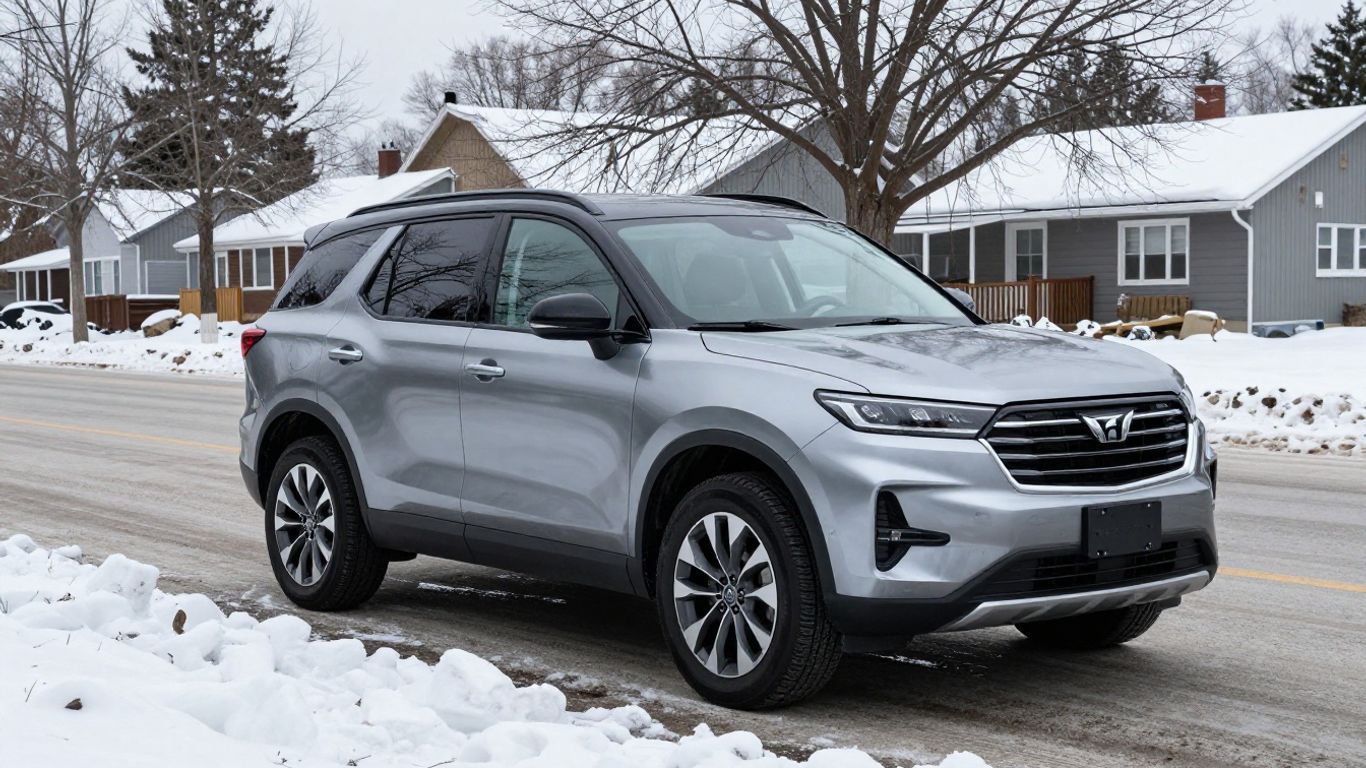
Durability isn’t a simple contest between vinyl and paint — both can look excellent for years when applied to a properly prepared surface and cared for correctly. What tips the scale in Ottawa is the climate: cold winters, road salt, gravel, snow brushes, strong summer sun, and constant temperature swings all take a toll. Your parking habits and driving routine often matter more than any brochure lifespan number.
How Wraps Handle Ottawa’s Weather and Roads
A quality wrap holds up well under ordinary driving conditions, but it’s still a surface film, not a permanent replacement for the vehicle’s finish. Road grit can mark exposed edges and front-facing panels over time, and salt combined with repeated freeze-thaw cycles makes regular washing especially important through an Ottawa winter. Outdoor parking and strong summer UV exposure can also shorten how long a wrap keeps its fresh appearance.
Check the edges of your wrap periodically and deal with any lifting before it spreads. If protecting the paint underneath — rather than changing its colour — is actually your main goal, a dedicated paint protection film is worth looking at directly, since it’s built specifically to shield factory paint from stone chips, road debris, and UV damage rather than to change the vehicle’s appearance.
Paint Quality: Fading, Chips, and Corrosion Risks
The quality of car paint in Ottawa depends heavily on preparation, product selection, application technique, and proper curing time. A well-prepared paint job can stay attractive for years, while rushed work tends to reveal sanding marks, uneven colour, or premature clear-coat failure. Paint can chip from gravel kicked up on the highway and may fade under strong sun if it isn’t cared for.
Neither paint nor vinyl fixes corrosion on its own. Rust hiding beneath a wrap can keep spreading unseen, and painting over poorly treated corrosion often leads to further failure down the line. Any bubbling, flaking, or exposed metal deserves a proper inspection before you commit to either finish.
Expected Lifespan and Maintenance
A wrap is often chosen for a defined ownership window or a reversible style change, while quality paint is usually approached as a longer-term refinish. Exact service life varies with the film or paint used, exposure conditions, washing habits, and any repairs along the way — treat advertised lifespans as a range, not a guarantee.
Maintenance is fairly similar either way: wash off salt and road film regularly, use appropriate cleaning products, and avoid aggressive scrubbing. For a wrapped vehicle, follow the film manufacturer’s care instructions and be careful with pressure washers around seams and edges.
Value Beyond the Sticker Price
The finish you choose creates value by preventing future work, correcting existing problems, or letting a vehicle serve a new purpose. A wrap can preserve a good factory surface underneath; paint can restore a tired or damaged exterior to like-new condition. The most cost-effective choice depends on what’s actually underneath the current finish — paying for the wrong solution can mean paying twice.
When a Wrap Protects Healthy Factory Paint
When the factory paint underneath is in good condition, a professionally installed wrap can sit over it and change the vehicle’s appearance without permanently altering the original colour. It can reduce direct UV exposure and guard against everyday minor scuffs, though it’s not a guarantee against stone chips, dents, or neglected contamination.
This kind of protection is most valuable when you expect to eventually return to the factory colour. It’s worth documenting the paint’s condition — existing chips, clear-coat issues, repaired panels — before installation so there’s a clear record of what was underneath.
How Repainting Corrects Deeper Body Damage
Paint is the better route when a vehicle needs sanding, filling, priming, panel repair, or corrosion treatment. It can unify repaired sections and restore a surface that’s too uneven for film to sit properly on. A wrap tends to follow whatever contours are already there, so it can’t disguise a real dent or a failing paint layer underneath.
The core question is whether the problem is cosmetic and shallow, or structural and progressive. If metal, plastic, or existing paint genuinely needs correction, handle that repair work first — then decide whether the finished surface should be painted, wrapped, or partially wrapped.
Factoring In Repairs and Touch-Ups
Future repair costs can shift the whole calculation. Matching a custom wrap film after a collision can be difficult if the original material is discontinued, while a repainted panel may need blending into the surrounding area. On the other hand, a small wrapped panel can sometimes be replaced without refinishing the entire vehicle.
Before committing, write down the likely costs across the full ownership period:
- Initial preparation and installation
- Routine washing and finish care
- Isolated damage or panel replacement
- Removal and possible adhesive cleanup
- Final colour matching or resale preparation
This isn’t meant to prove one option is universally cheaper — it’s meant to surface the costs that are easy to overlook when you’re only comparing two headline quotes.
Appearance, Customization, and Everyday Usability
Appearance is usually the reason this decision comes up in the first place. Wraps can change colour, texture, and add graphics without committing you to a permanent refinish. Paint delivers a deeply integrated surface and an exact, traditional factory colour. Either way, the best-looking result still comes down to preparation and workmanship — a dramatic material choice can’t compensate for a poorly prepped panel.
Colour, Finish, Graphics, and Design Flexibility
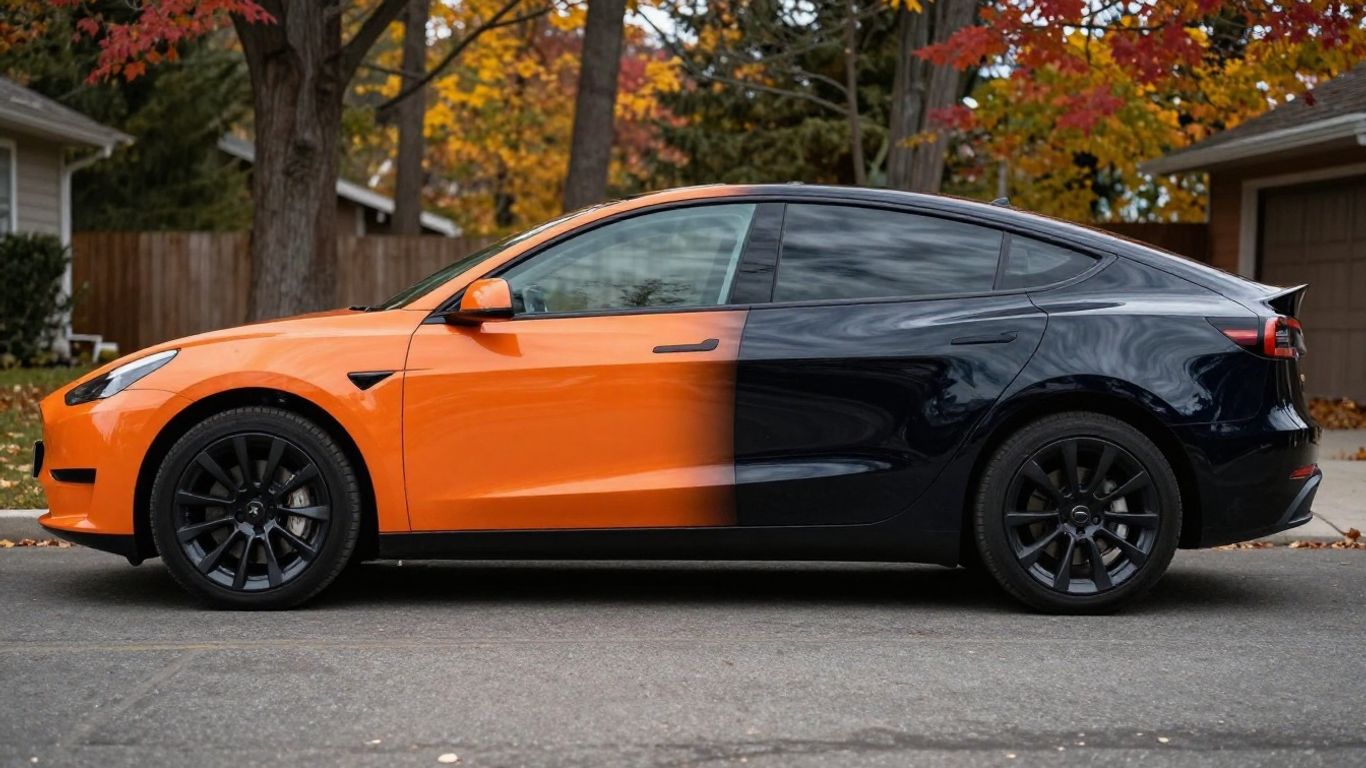
Film offers a wide range of finishes and makes temporary or highly personalized designs genuinely practical — a full colour change, a contrasting roof, subtle accents, or custom graphics. That flexibility is a big part of why owners who want a design paint would make difficult or expensive to reproduce tend to lean toward wrapping.
Paint has its own kind of flexibility, especially for a carefully chosen custom colour. But changing the design later usually means another full refinish, whereas a wrap can be removed or replaced whenever your taste, business branding, or vehicle use changes.
Matching Factory Paint and Achieving a Premium Finish
A wrap can approximate a factory colour, but matching it perfectly on an aged vehicle isn’t always simple. Existing paint can fade unevenly, and the difference sometimes becomes visible at door jambs, under the hood, or around removed trim. Paint is usually the more natural choice when the goal is a permanent, fully integrated factory-style appearance.
Premium results come from straight panels, clean edges, consistent gloss, and careful finishing — look closely at examples of an installer’s actual past work rather than judging from a small sample or a digital rendering.
How Cleaning and Parking Habits Affect the Outcome
Regular washing removes salt and grit before it can dull the surface or build up around seams. Hand washing is generally the safer habit for a wrapped vehicle, and any finish benefits from shade, sensible drying, and prompt cleanup of bird droppings or tree sap.
Parking outdoors exposes both paint and film to UV light and Ottawa’s wide temperature swings. A garage or covered space can extend how long either finish looks its best, though it can’t eliminate the need for regular inspection and gentle care.
Resale Value and Ownership Flexibility
Resale value comes down to condition, documentation, mileage, repair history, and buyer expectations as much as the finish itself. A wrap can keep a factory colour hidden but preserved underneath; a repaint can make a tired vehicle presentable again for the next owner. Transparency matters in both cases — keep invoices, photos, and records so a future buyer understands exactly what was done.
Whether a Wrap Helps Preserve Resale Appeal
A removable wrap can preserve original paint when that paint was in good shape before installation. Buyers may appreciate having the option to return to the factory colour, but they’ll also want to inspect the film’s condition, its age, and the surface underneath it. A neglected or visibly failing wrap can actually hurt appeal rather than help it.
Before selling, think about whether removal will reveal a consistent finish. If the vehicle has had mixed repairs or heavy sun exposure over the years, the colour underneath may not be uniform.
How Repainting May Affect Buyer Confidence
A repaint isn’t automatically a red flag — it can reflect careful restoration or a necessary repair. But buyers may reasonably ask why it was done and whether any panels were replaced. Good records, photos, and a clear explanation go a long way toward reducing uncertainty.
Poor colour matching, overspray, uneven panel gaps, or an undisclosed accident history are what actually create concern — the quality and honesty of the work matter far more than the simple fact that a vehicle was repainted at some point.
Removing a Wrap Before Selling or Changing Your Look
Removal makes sense when a wrap is aged, damaged, or too personalized for the likely buyer pool. Film should come off carefully, with attention to temperature, adhesive residue, and the condition of the paint underneath. Older or poorly bonded material can take longer to remove and may expose pre-existing paint issues once it’s gone.
If flexibility is part of your plan from the start, ask about removal before installation — and remember that an apparently reversible finish is still no reason to skip a proper surface inspection and documentation up front.
Installation, Downtime, and Choosing a Qualified Installer
Ownership experience includes more than just the finish itself — it includes the days your vehicle is off the road, the quality of the prep work, and what happens after the inevitable scrape. A professional-looking result depends on a clean workspace, proper technique, and realistic expectations about your vehicle’s starting condition. These practical details often decide whether an initial saving stays a saving.
Wrap installation can be faster than a full paint job, but timing still depends on coverage, vehicle size, prep needs, and shop workload. Ask how the vehicle will be cleaned, whether trim will be removed, and how any damaged paint underneath will be handled before you commit. Get clarity on exactly what the quote covers before you leave the keys.
Review finished work in person wherever possible. Pay close attention to edges, door openings, bumpers, mirrors, and any complex curves — these are where installation quality really shows. A written care plan afterward is a good sign too.
What Happens When a Wrap Comes Off
A well-installed wrap is generally meant to be removable, but the process isn’t identical on every vehicle. Paint age, prior repairs, adhesive age, sun exposure, and installation quality all affect how removal goes — the film may come away cleanly, or it may leave residue that needs careful treatment.
The original finish underneath can also reveal chips, fading, or repairs that were already there before wrapping. That’s exactly why condition photos and a written installation record are worth having from day one.
Repairing Isolated Damage on a Wrapped or Painted Vehicle
A small damaged area can sometimes be handled locally, but the right repair method depends on the material, the panel’s shape, and how severe the damage is. Wrapped panels may need a replacement section or a full-panel rewrap to keep colour and texture consistent. Painted panels may need blending that extends beyond the visibly damaged spot.
If a collision exposes metal or loosens a panel, arrange proper body repair before any cosmetic refinishing. For owners considering extra layers of protection on top of either paint or a wrap, services like PPF and ceramic coating should only be added where their actual purpose fits your vehicle’s needs — they’re not a substitute for repairing damaged structure or corrosion.
Choosing the Better Value for Your Vehicle in 2026
There’s no universal winner in the car wrap vs. paint comparison. A wrap tends to reward owners who value quick visual change, reversible styling, or protecting paint that’s already in good shape. Quality car paint in Ottawa tends to reward owners who need deeper correction or want a durable, fully integrated colour change. Start with the vehicle’s actual condition, then work outward to the finish that fits it.
Match the Option to Your Ownership Timeline
If you expect to sell, change your vehicle’s style, or replace the car within a few years, a wrap’s reversibility can carry real value. If you’re planning to keep the car long-term and the body genuinely needs restoration, paint is usually the easier choice to justify. A short ownership window doesn’t automatically make wrapping cheaper — especially once removal is factored into the plan.
Your intended use matters too. A daily commuter, a weekend car, a work vehicle, and a show-oriented project each place different demands on appearance and ongoing maintenance.
Compare Your Vehicle’s Condition, Age, and Market Value
A newer vehicle with consistent factory paint is a stronger wrap candidate than an older car with peeling clear coat or bubbling rust. On a lower-value vehicle, a high-end finish may not return its cost at resale. On a well-kept enthusiast vehicle, careful paint correction can genuinely protect the value of the whole project.
Inspect every panel before requesting quotes. Age, mileage, accident history, and the availability of replacement parts should all influence how much you’re ultimately willing to spend — whether that budget ends up going toward car paint in Ottawa, a full wrap, or a protective film built specifically to keep your factory finish looking new for years to come.
FAQs: Car Wrap vs. Paint
Is a car wrap cheaper than paint in Ottawa?
It depends on the vehicle and the scope of work. A wrap on a vehicle with healthy factory paint is often less expensive than a full professional repaint, but if the paint underneath needs correction first, that gap narrows or disappears. Get quotes for both based on your vehicle’s actual condition rather than assuming one is cheaper by default.
Does a car wrap damage the paint underneath?
A professionally installed, good-quality wrap generally doesn’t damage healthy factory paint and can help protect it from sun exposure and minor scuffs. Damage is more likely with a low-quality wrap job, aged adhesive left on too long, or paint that already had issues before the wrap went on.
How long does a car wrap last compared to paint?
Wraps are often chosen for a defined ownership period, typically lasting several years depending on the film and how the vehicle is used and cared for. A quality paint job is generally approached as a longer-term refinish and, with proper care, can last many years without needing replacement.
Can a wrap fix scratched or damaged paint?
No. A wrap sits on top of and generally follows the existing surface — it doesn’t correct dents, deep scratches, or uneven paint underneath. If the current finish has real damage, that needs to be repaired or corrected before wrapping, or the imperfections may still show through.
Should I choose paint protection film instead of a full wrap or paint job?
If your main goal is protecting existing factory paint rather than changing its colour, paint protection film is often the more direct solution, since it’s built specifically to guard against stone chips, road debris, and UV damage while leaving the original finish visible underneath.